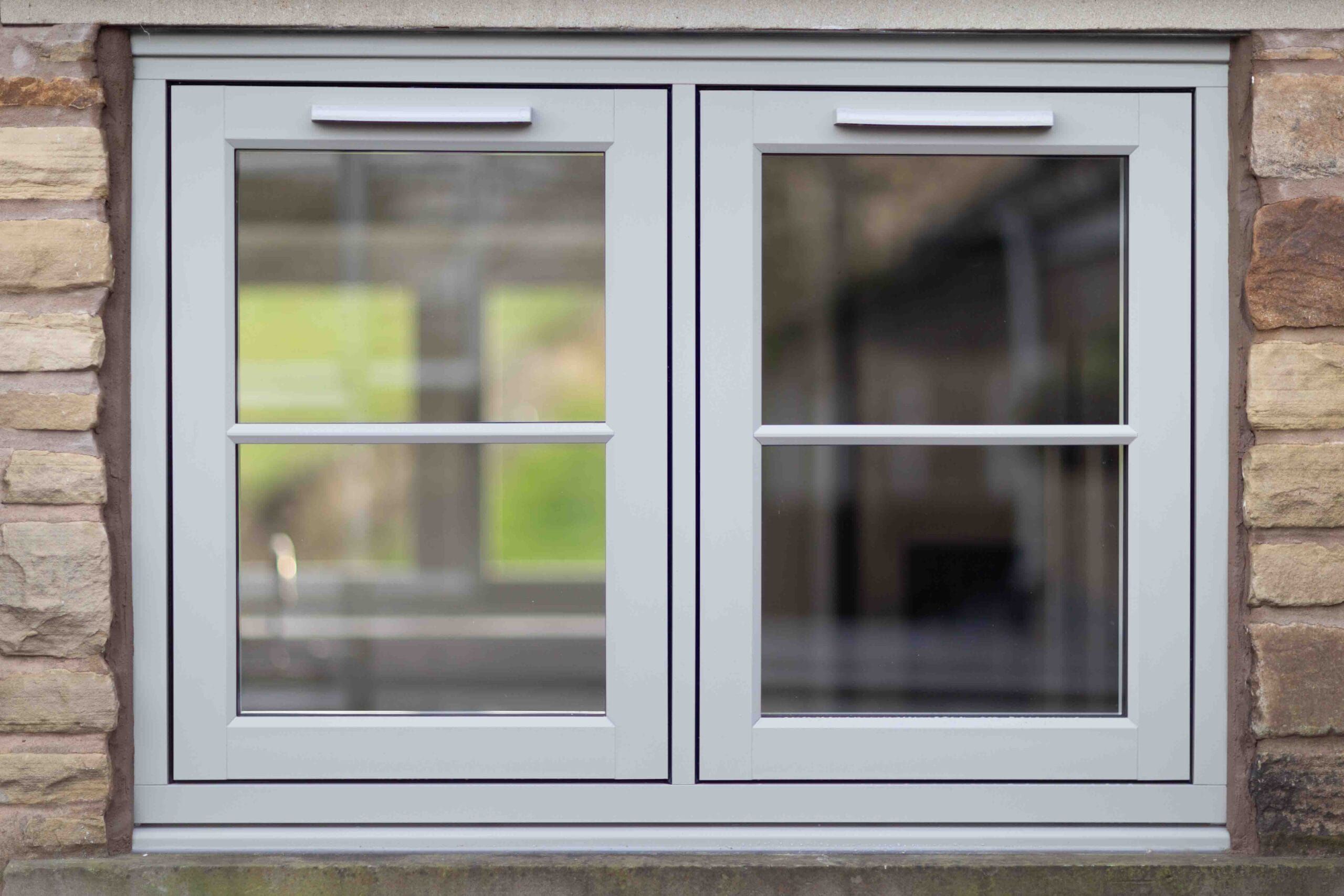
What’s the difference between Astragal bar and Georgian bar?
The terms ‘Georgian bar’ and ‘astragal bar’ are almost used interchangeably, but they in fact represent two different methods of achieving a similar appearance. It’s important to understand the difference before making your choice since it has an effect on how the windows look, what they cost, and the amount of maintenance they require.
The quick answer
Both solutions carry out the same fundamental task: they split a single large pane of glass into a grid of smaller “panes”, thus giving you that traditional appearance of a multi-paned window.
The difference is where the bar sits:
- Georgian bar is located entirely within the sealed double-glazed panel and keeps both glass surfaces completely flat and smooth.
- Astragal bar is planted on the surface of the glass, meeting the edge of the frame, often having a mitred or milled end for a neat finish.
That is the difference, and it explains the variations in appearance, price, and cleaning needs.
Georgian bar
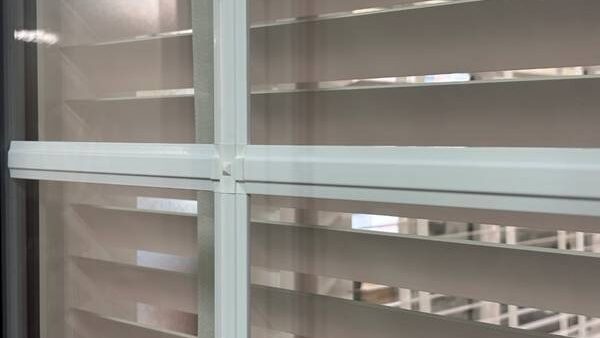
Georgian bar is located in the cavity of your double-glazed window, situated between the two panes of glass. You can see the grid pattern through the glass, but you won’t be able to feel it – if you run your hand over the window – it will be smooth all the way across.
It is therefore the more affordable choice and one that is easier to maintain: there’s nothing extra to clean and nothing that can be knocked. It is an elegant solution, and for many homes it carries out its design function without requiring you to do anything extra.
Astragal bar
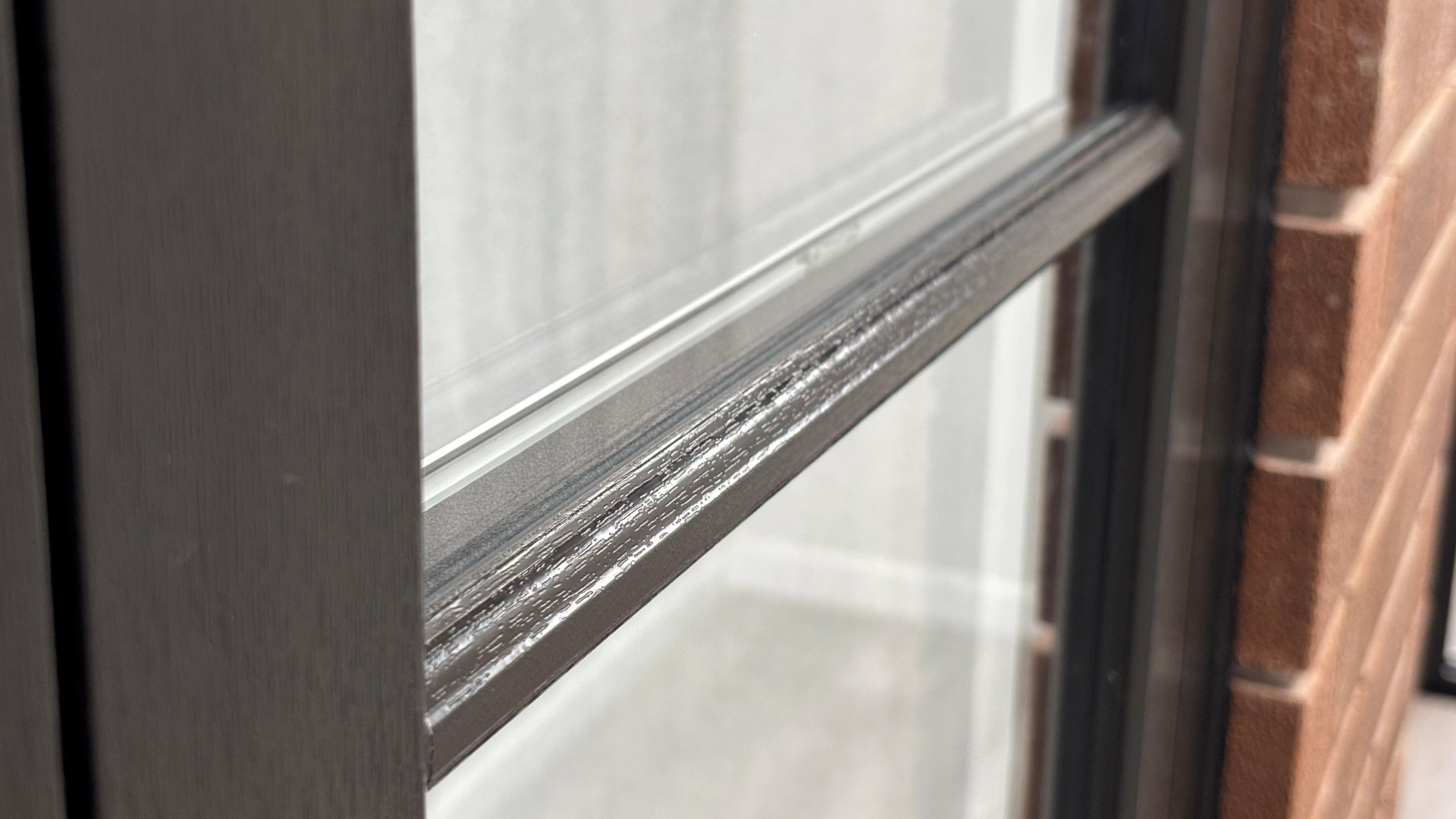
Astragal bar consists of a spacer bar placed inside the glass, together with a strip fixed to the outer side and another to the inner side, all aligned so that they appear as a single continuous bar. The spacer bar within the unit is important since it fills up the gap between the two panes at that location and thus prevents you from seeing through or underneath the raised strips.
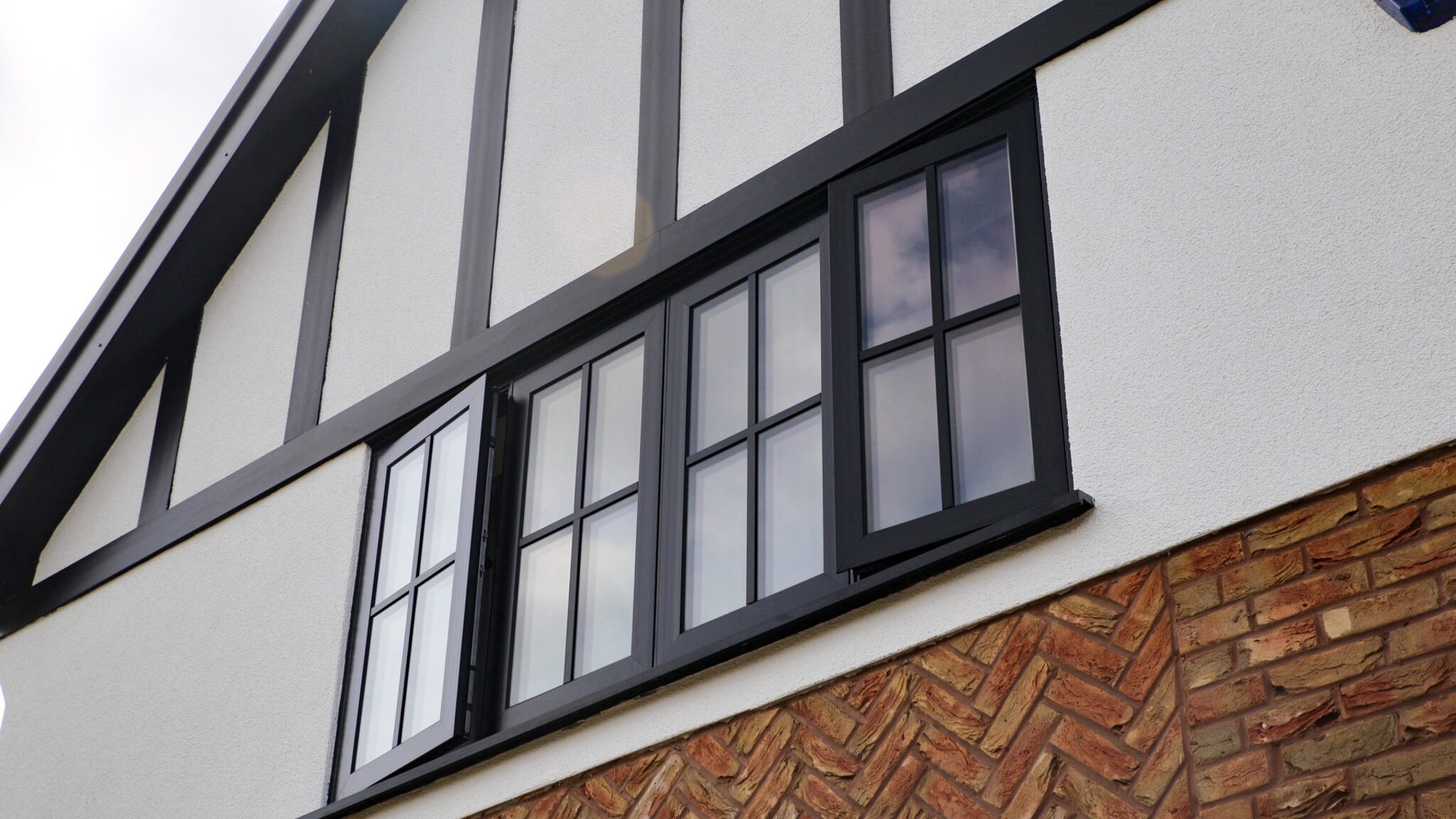
What results is a three-dimensional, raised grid featuring a significantly deeper shadow line – a more genuine and traditional appearance, which is the reason it is often used in period and character homes. It is more expensive than Georgian bar and since the strips are raised there are a few more edges to keep clean.
Astragal bar is the more popular choice with our customers due mainly to its depth, shadow line and slightly more traditional aesthetic.
What the pattern looks like on your window
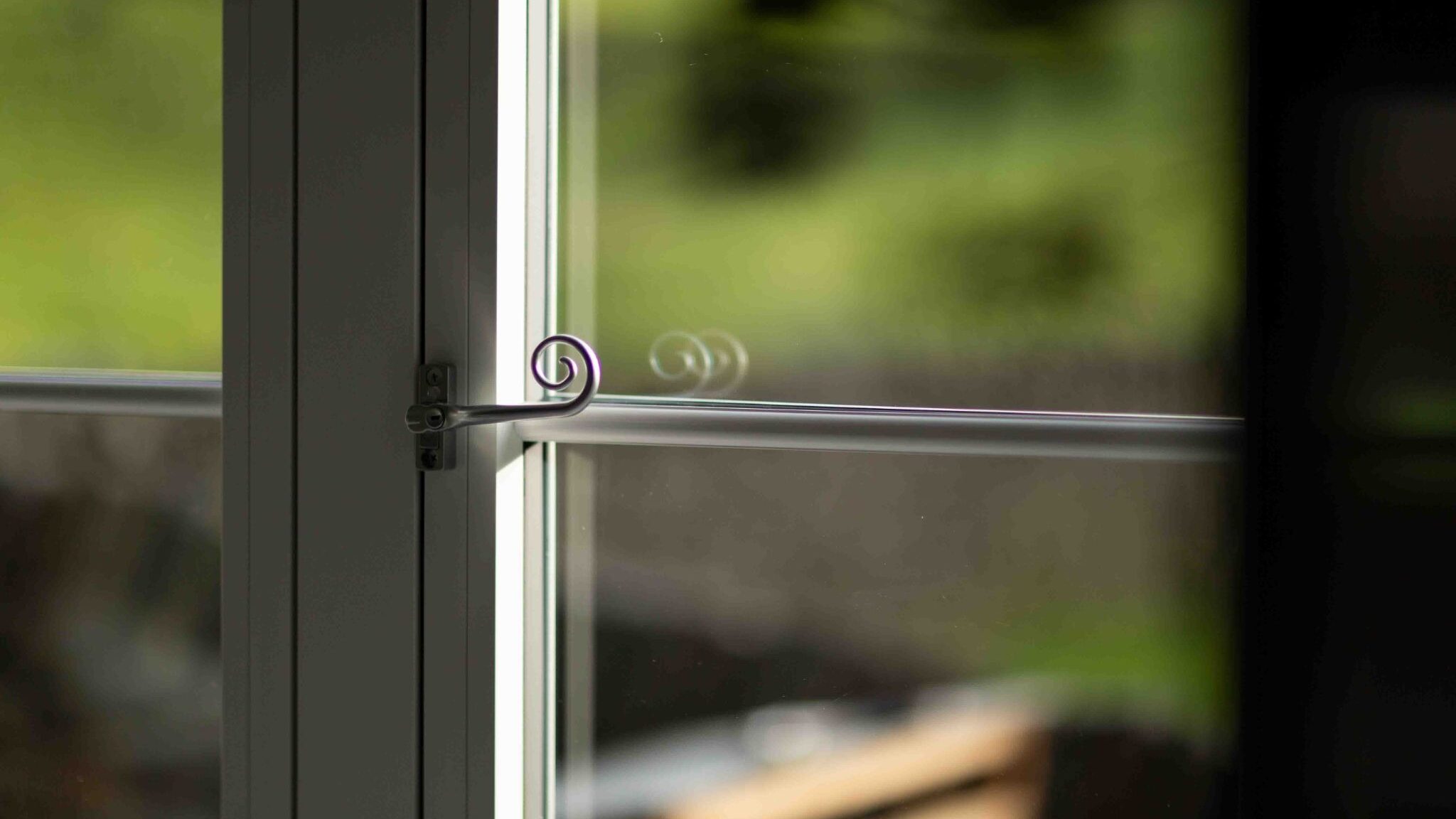
No matter which option you take, the visible grid functions in the same manner by having bars placed to divide a large pane into smaller rectangles. A typical starting point is one vertical bar together with two horizontal bars, thus dividing the pane into six sections – but there are many other grid patterns available to choose from.
Matching your frame colour
Georgian bars and astragal bars can also be finished in different colours, just like the frame. If the windows are black on the outside and white on the inside, the bar can be matched on both sides as well – rather than having a single solid colour. This may be a minor point, but it’s the sort of thing that keeps a feature window from looking like an afterthought.
Quick reference
| Georgian bar | Astragal bar | |
| Where the bar sits | Inside the sealed unit only | Inside the unit, plus applied to both glass faces |
| Look | Flat glass, pattern visible through the glass | Raised grid, deeper shadow line |
| Cost | Mid-range | High-end |
| Cleaning | Simple – one flat surface | A few more surfaces to keep clean |
| Colour options | Dual-colour available, to match your frame | Dual-colour available, to match your frame |
Which one should you choose?
The straightforward, though not entirely neat, answer is that it comes down to more than just your personal preference. At the moment, our customers tend to go for Astragal bar: on its own it is the more authentic-looking of the two. However, if you’re living in an area where the majority of the neighbouring houses already have Georgian bars, there is a solid argument for matching them rather than standing out.